
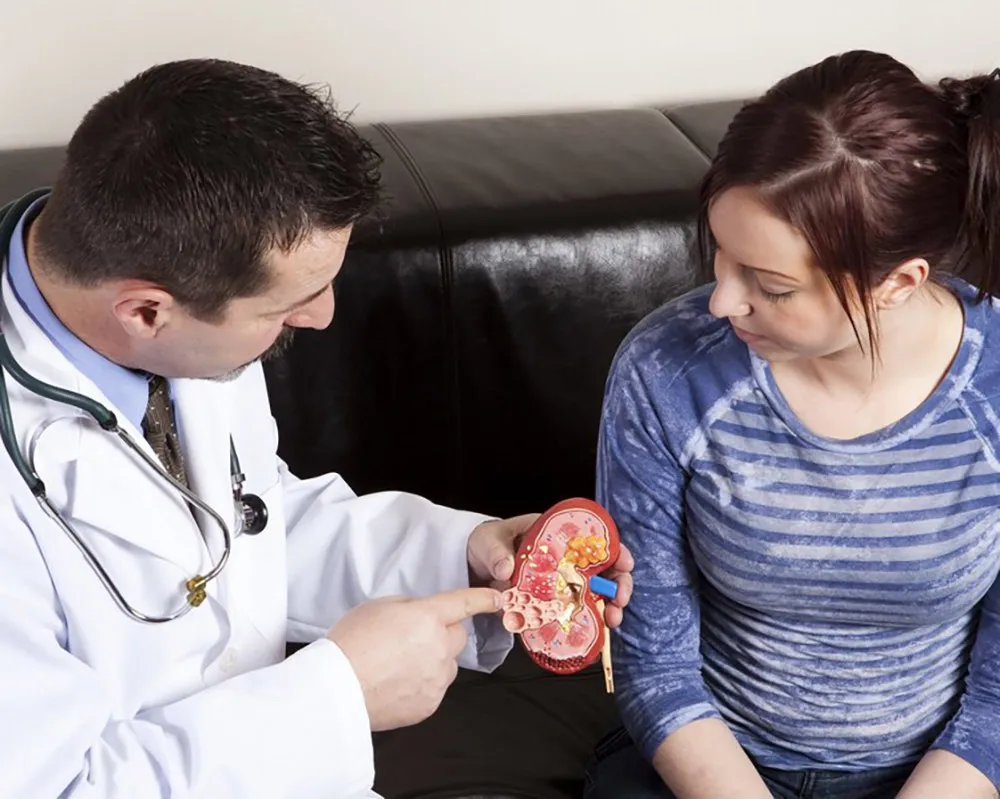
1. Nutrition as Medicine in Nephrology
In nephrology, food is not merely fuel—it is an active metabolic intervention. Your kidneys filter approximately 200 liters of blood daily, regulating electrolyte concentrations, mineral-bone metabolism, and acid-base equilibrium. When nephron mass diminishes, the kidneys can no longer efficiently excrete excess sodium, potassium, phosphorus, or nitrogenous waste generated from protein catabolism.
Following an evidence-based renal nutrition plan can prolong kidney survival by years, delay or prevent the need for dialysis, and prevent life-threatening cardiovascular emergencies.
2. The Sodium Rule: Taming Fluid and Intraglomerular Pressure
Excess dietary sodium acts like a sponge, pulling water into the vascular space. In CKD patients with reduced nephron excretion capacity, this results in rapid extracellular volume expansion, refractory hypertension, peripheral pitting edema, and congestive heart failure.
- Recommended Target: Strictly under 2,000 mg of sodium daily (equivalent to about 5 grams or 1 level teaspoon of salt for all meals combined).
- Hidden Culprits in Indian Diets: Papads, pickles (achaar), namkeen, bakery bread, packaged spice mixes, and restaurant curries.
- Salt Substitutes Warning: NEVER use 'low-sodium' or 'rock' salts (sendha namak) without consulting your nephrologist. Most low-sodium salts replace sodium chloride with potassium chloride, which can trigger lethal hyperkalemia in kidney patients!
3. Potassium Control: Protecting Your Heart
Potassium is critical for neuromuscular and cardiac electrical conduction. While healthy kidneys freely excrete dietary potassium, damaged kidneys struggle, causing serum potassium to climb above 5.0 mEq/L (hyperkalemia). High potassium can trigger fatal cardiac arrest without any warning symptoms.
Managing High-Potassium Foods:
- High-Potassium Foods to Limit: Bananas, oranges, mangoes, coconut water (nariyal pani), raw tomatoes, spinach, dry fruits, and potatoes.
- Low-Potassium Alternatives: Apples, papaya, guava (without seeds), pineapple, bottle gourd (lauki), ridge gourd (tori), cucumber, and cauliflower.
- Vegetable Leaching Technique: Peel and chop vegetables into small cubes, soak in warm water for 2 hours, discard the soak water, and boil in fresh water. This leaches out up to 50% of the potassium content.
4. The Hidden Threat of Inorganic Phosphorus
As GFR drops below 45 mL/min (CKD Stage 3b), phosphorus begins to accumulate in the bloodstream. Elevated serum phosphorus binds with calcium, precipitating inside arteries, heart valves, and joints (vascular calcification). It also stimulates parathyroid hormone (PTH) secretion, leaching calcium directly out of bones and causing severe fractures and unrelenting skin itching.
Organic vs. Inorganic Phosphorus: The human gut absorbs only 40–60% of natural organic phosphorus found in plant foods (lentils, nuts). However, it absorbs 90–100% of inorganic phosphorus additives used as preservatives in cola beverages, processed meats, instant noodles, and bakery items. Always inspect ingredient labels for 'PHOS' additives (e.g., sodium phosphate, phosphoric acid).
Nephrologist's Clinical Pearl — Dr. Fayaz Ahmad Wani
"A common misconception among patients in Amritsar is that kidney disease means you must immediately stop eating all lentils (dal) and starve yourself of protein. Malnutrition (Protein-Energy Wasting) is just as deadly as uremia. We do not starve kidney patients; we tailor protein to your exact stage. Non-dialysis patients need moderate restriction, but once on hemodialysis, protein must actually be increased to replace amino acids lost during treatment."
5. Protein Intake: Tailored to Your CKD Stage
Protein produces nitrogenous wastes like urea and creatinine when broken down. Optimizing protein reduces the filtering workload on remaining nephrons:
- CKD Stages 1–3a (GFR > 45): Normal healthy protein (0.8 g/kg/day). Focus on lean poultry, egg whites, and plant proteins.
- CKD Stages 3b–5 (Non-Dialysis, GFR < 45): Moderate protein restriction (0.6 to 0.8 g/kg/day) with adequate non-protein calories to prevent muscle wasting.
- Hemodialysis Patients: Increased protein (1.2 g/kg/day) with high biological value proteins (egg whites, paneer, fish, whey isolates) to compensate for dialytic protein losses.
📚 Peer-Reviewed Clinical References & Guidelines
- National Kidney Foundation (NKF) KDOQI Clinical Practice Guideline for Nutrition in CKD: 2020 Update ↗
- KDIGO 2024 Clinical Practice Guideline for the Evaluation and Management of Chronic Kidney Disease ↗
- American Journal of Kidney Diseases (AJKD): Dietary Potassium Management in Advanced CKD ↗
- Fortis Escorts Hospital Amritsar - Clinical Renal Dietetics Department ↗
Frequently Asked Patient Questions
Is coconut water safe for kidney patients?
No. Coconut water is exceptionally rich in potassium. A single glass contains over 600 mg of potassium and can trigger life-threatening hyperkalemia in patients with advanced CKD.
How much fluid should I drink daily if I have kidney disease?
Fluid restriction is not necessary in early CKD unless you have swelling or heart failure. However, in CKD Stages 4-5 and dialysis with reduced urine output, fluid is typically restricted to 1 liter plus your 24-hour urine output volume.
Can I eat eggs if I have kidney disease?
Egg whites are one of the purest, highest-quality protein sources for kidney patients because they have minimal phosphorus and zero cholesterol. However, egg yolks are high in phosphorus and should be limited.
Related Kidney Health Articles
"Medical education empowers patients to make informed, life-saving choices. When we catch kidney decline early, modern nephrology has the tools to protect your kidneys for decades."
— Dr. Fayaz Ahmad Wani
MD (General Medicine), DM Nephrology (Osmania Medical College)
Senior Consultant Nephrologist & Kidney Transplant Specialist
Fortis Escorts Hospital ↗ & Primus Medicare, Amritsar
Medical Disclaimer: This article is for general education and is not a substitute for personal medical advice, diagnosis or treatment. In an emergency call 112.