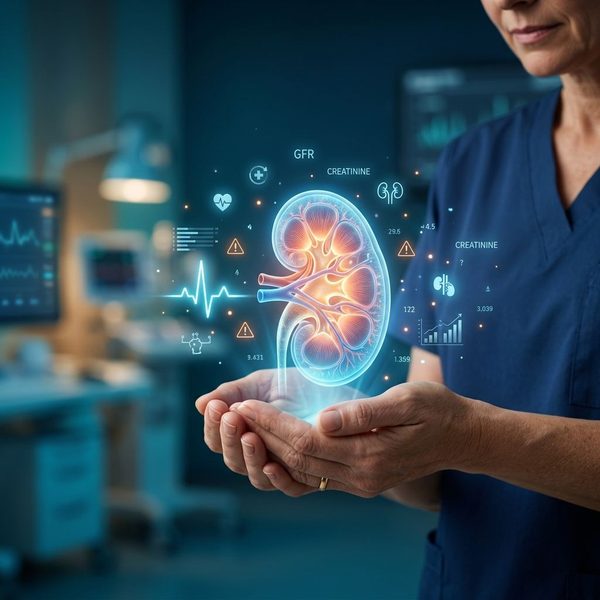
10 Early Warning Signs Your Kidneys Need Immediate Attention
Kidneys filter over 200 liters of blood daily, yet kidney disease is called the silent killer because symptoms develop slowly. Learn the 10 red flags you must never ignore.
Empowering patients with clear, science-backed guidance on kidney disease prevention, diabetic care, dialysis alternatives, and post-transplant health written by Senior Nephrologist Dr. Fayaz Ahmad Wani.
Kidneys filter over 200 liters of blood daily, yet kidney disease is called the silent killer because symptoms develop slowly. Learn the 10 red flags you must never ignore.
Diabetes is the leading cause of renal failure worldwide. Discover how microalbuminuria screening and modern SGLT2 inhibitors protect kidney microvessels before symptoms start.
What you eat can directly accelerate or decelerate kidney disease progression. A practical nephrologist's guide to renal diets, high-potassium foods, and hydration rules.
A comprehensive walkthrough of the kidney transplant pathway at Fortis Escorts Hospital: immunological matching, crossmatch testing, and post-transplant immunosuppression.
Choosing the right dialysis modality is critical for quality of life. Explore the pros, cons, and clinical indications for hemodialysis vs. peritoneal dialysis.
High blood pressure damages renal glomeruli, while damaged kidneys worsen blood pressure. Learn why nephrologists target <120/80 mmHg per KDIGO guidelines.
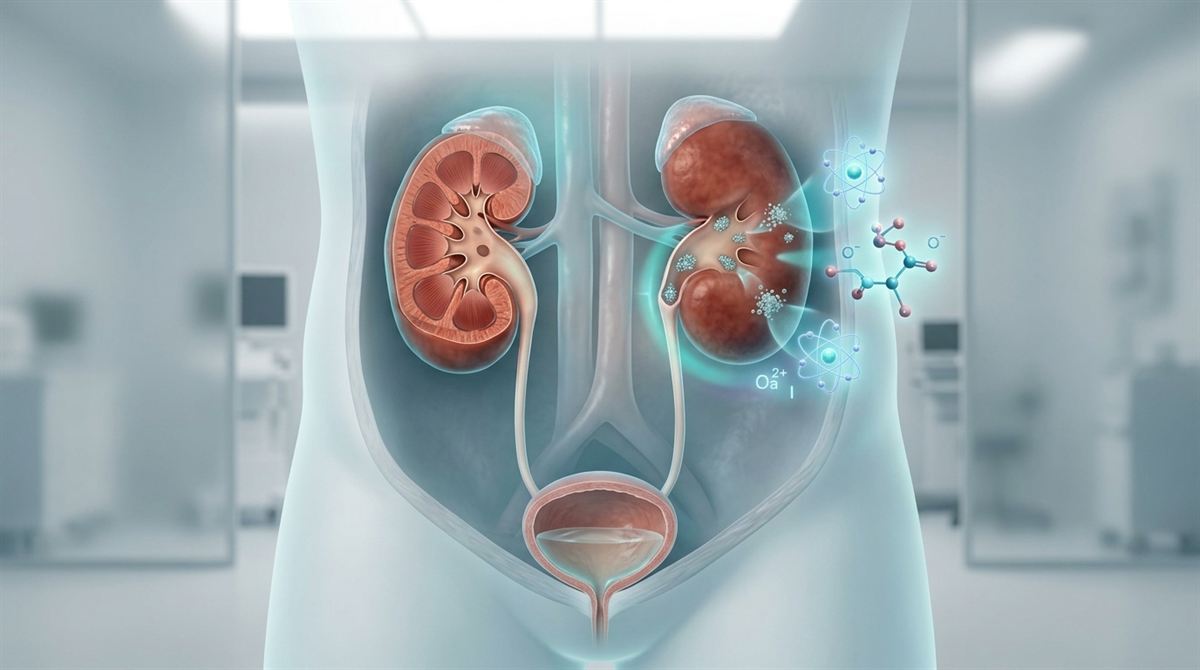
Over 50% of stone formers suffer a recurrence within 5 years. Discover why calcium oxalate stones crystallize, how citrate therapy works, and precise fluid intake targets.
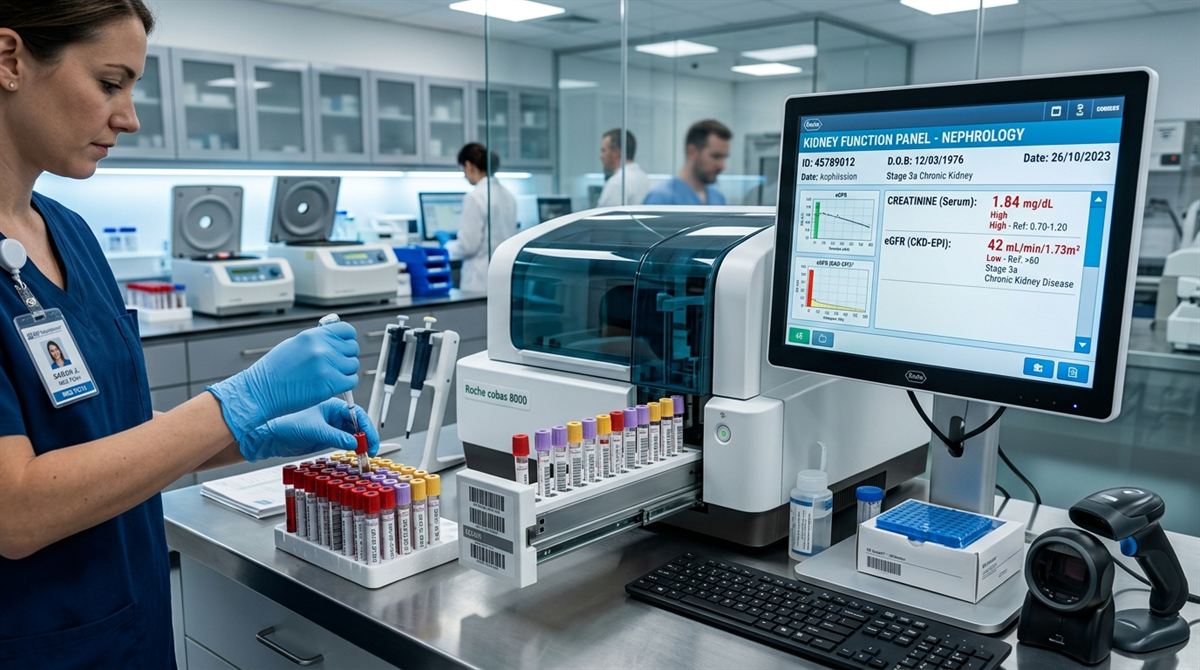
Does a high creatinine level always mean permanent kidney failure? Learn how muscle mass, hydration, and gym supplements skew lab reports, and why eGFR is more reliable.
Frequent use of over-the-counter painkillers like ibuprofen and diclofenac constricts afferent renal arterioles, risking irreversible interstitial nephritis and acute tubular necrosis.
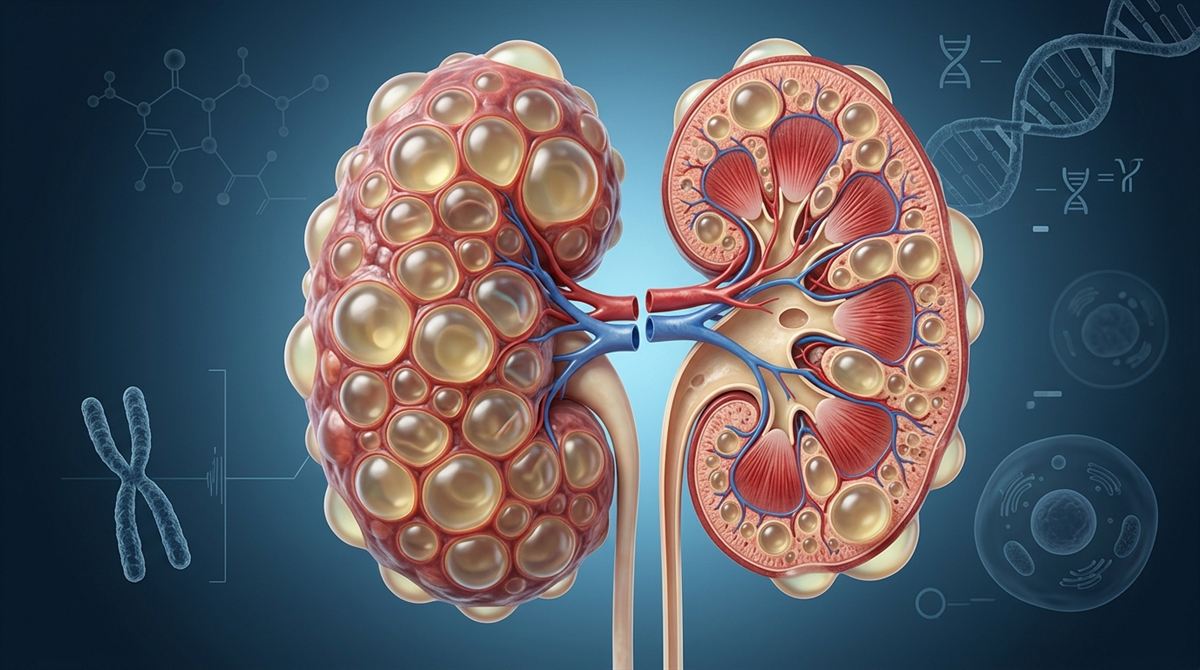
ADPKD is an inherited condition causing progressive cyst expansion. Understand Total Kidney Volume (TKV) monitoring, blood pressure targets, and vasopressin V2 antagonists.
An Arteriovenous (AV) Fistula is the vital lifeline of hemodialysis. Essential daily guidelines on feeling the thrill, avoiding constriction, and spotting early thrombosis or infection.
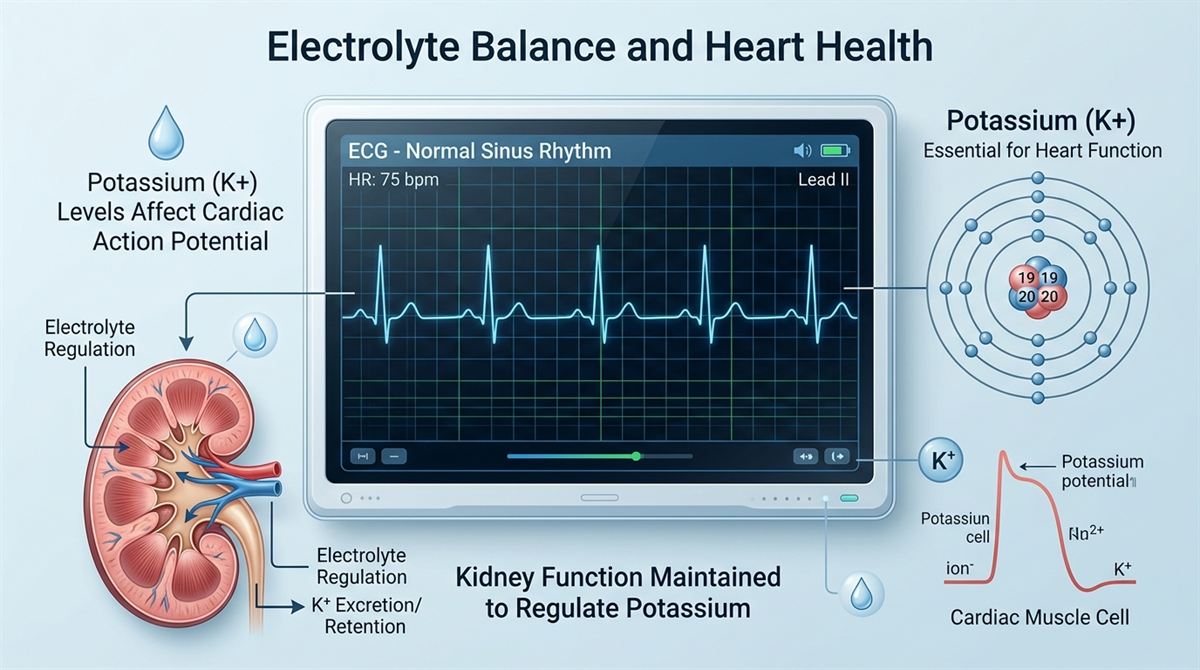
When impaired kidneys cannot excrete excess potassium, blood levels spike, posing silent cardiac arrhythmia risks. Learn the high-potassium foods to leach and emergency protocols.
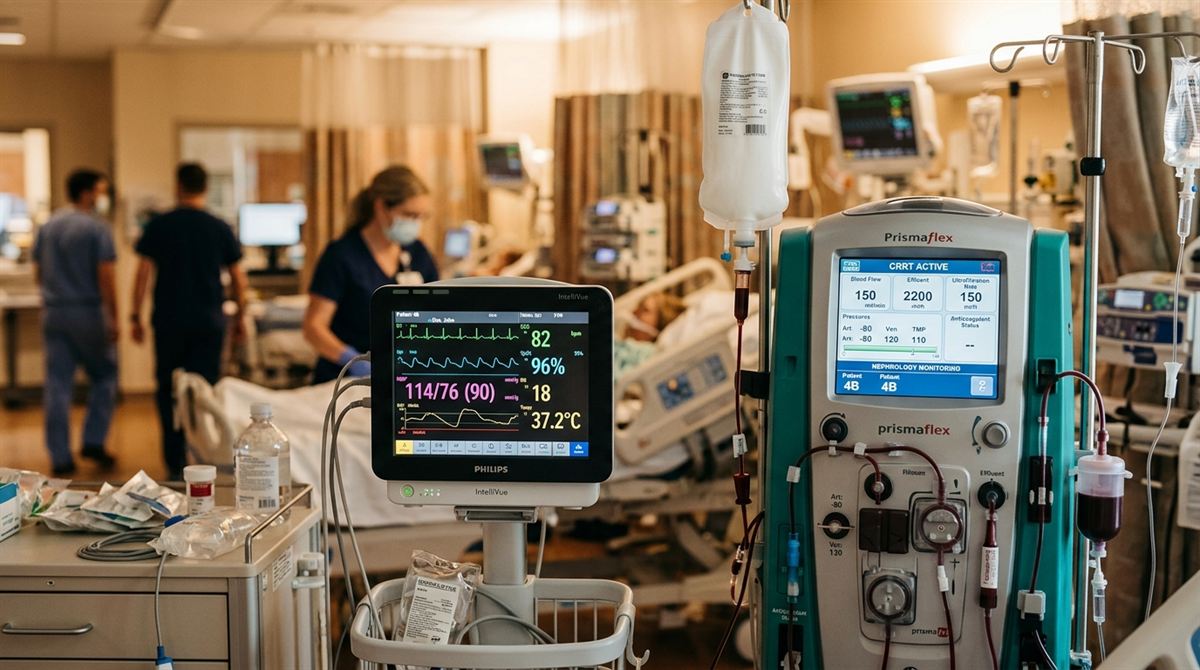
A sudden drop in renal function during severe infections, sepsis, or dye exposure is a medical emergency. Discover how timely CRRT and critical care nephrology reverse acute damage.
Living kidney donors save lives every day. Read our comprehensive medical review on donor safety screening, single-kidney compensatory hypertrophy, and normal life expectancy.
Children experience kidney issues differently than adults. Recognizing persistent facial puffiness, recurrent UTIs, and congenital urinary tract anomalies early saves lifelong renal function.
Drinking 5 liters of water daily can actually be dangerous for patients with reduced GFR. Understand optimal fluid requirements for healthy kidneys versus fluid-restricted CKD stages.
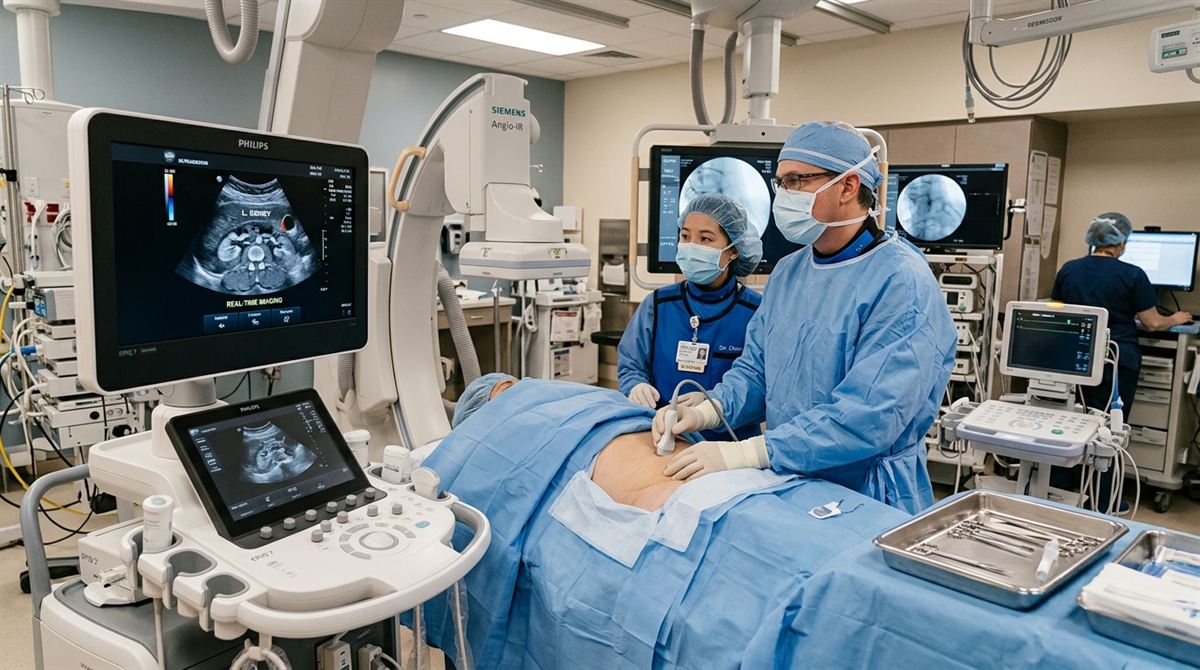
When blood tests and scans leave unanswered questions, a percutaneous renal biopsy provides definitive cellular diagnosis. Learn how real-time ultrasound ensures safety and comfort.
Sedentary habits worsen cardiovascular risks in renal patients. A structured guide to low-impact aerobic walking, resistance exercises, and heart rate monitoring for kidney patients.
Systemic Lupus Erythematosus (SLE) frequently targets renal glomeruli. How early urine monitoring, renal biopsy classification, and targeted biologics achieve lasting disease remission.
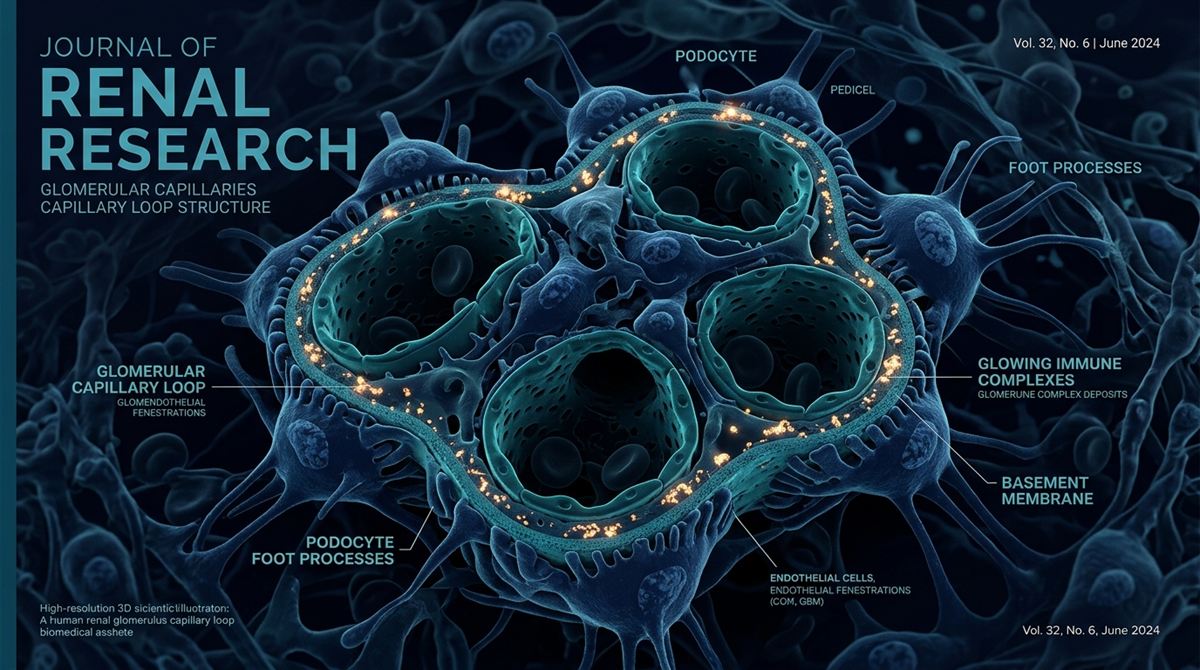
Bubbles that do not dissipate when flushing often indicate proteinuria. Why dipstick testing is not enough and how early ACE inhibitors or ARBs seal leaking glomerular capillary barriers.
Elevated serum uric acid can form painful joint crystals and precipitate inside renal tubules, triggering stone formation and interstitial nephritis. Evidence-based uric acid lowering strategies.
Please select a service for which you want to schedule an appointment
Minimum charges, Please call to book or consult!