
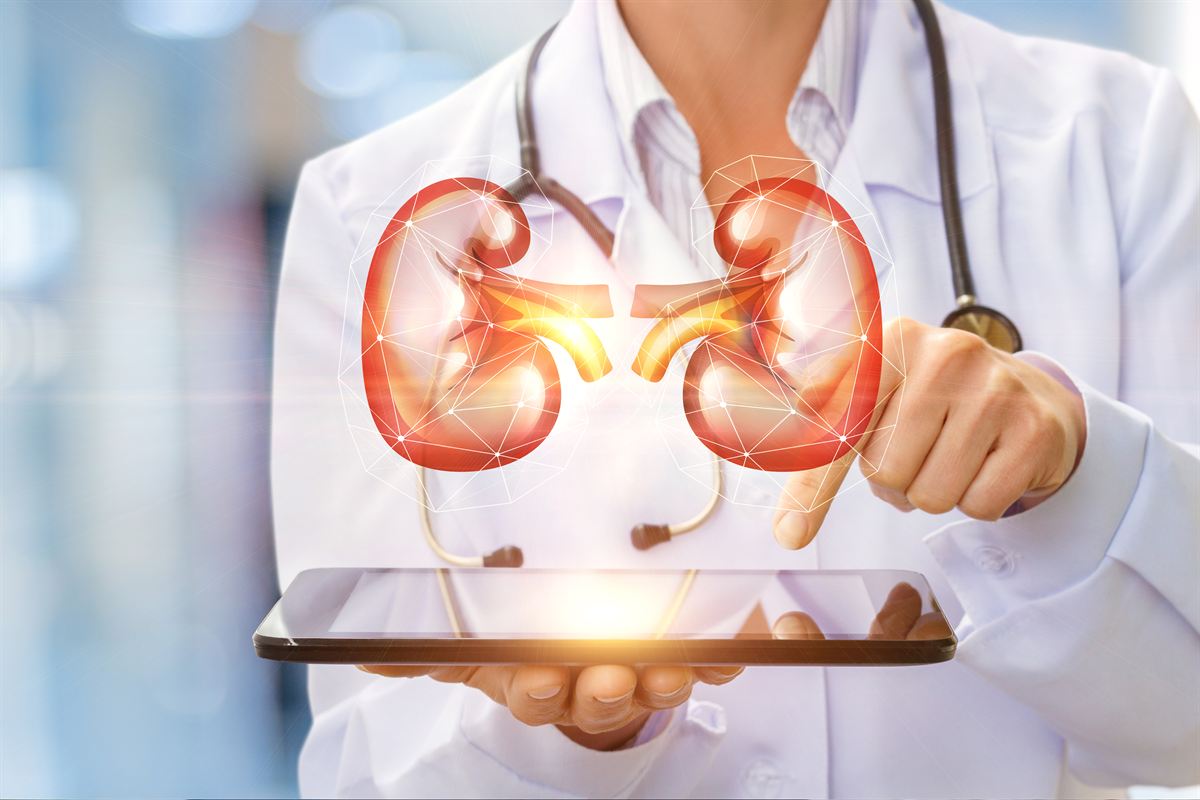
1. When Kidneys Can No Longer Filter Waste
The human kidneys are astonishing biological filtration marvels. When chronic damage reduces your glomerular filtration rate (eGFR) below 10 to 15 mL/min, the body loses the capacity to eliminate nitrogenous toxins, excess water, and potassium. At this stage (End-Stage Renal Disease or Stage 5 CKD), renal replacement therapy is mandatory to sustain life.
Patients typically face a crucial choice between two primary dialysis modalities: Hemodialysis (HD) and Peritoneal Dialysis (PD). Both therapies are exceptionally effective, yet their impact on your daily lifestyle, independence, and medical routine differs fundamentally.
2. In-Center Hemodialysis: Mechanism & Routine
In hemodialysis, blood is gently pumped out of your bloodstream through sterile tubing into an external artificial filter called a dialyzer. Inside the dialyzer, thousands of microscopic semi-permeable capillary fibers wash the blood against a purified chemical solution (dialysate), drawing out uremic toxins and fluid via diffusion and ultrafiltration before returning cleaned blood into your body.
- Treatment Schedule: Typically 3 sessions per week (Monday-Wednesday-Friday or Tuesday-Thursday-Saturday), lasting 4 hours per treatment session in a dedicated hospital hemodialysis unit.
- Vascular Access: Requires an Arteriovenous (AV) Fistula (the gold standard, created in the forearm), an AV Graft, or a Tunneled Central Venous Catheter (Permcath).
- Major Advantages: Performed entirely by trained nephrology nurses and dialysis technologists; no equipment needed at home; four days per week are completely free of dialysis treatment.
- Drawbacks: Rigid hospital attendance schedule; post-dialysis fatigue (the 'dialysis washout' effect); stricter potassium and fluid limits between sessions.
3. Peritoneal Dialysis (PD): Home-Based Flexibility
Peritoneal dialysis uses the lining of your own abdomen (the vascular peritoneal membrane) as a natural internal filtration filter. A small, soft silicone tube called a Tenckhoff catheter is surgically placed into your lower abdomen.
Sterile dextrose-rich dialysate fluid is instilled into the abdominal cavity, where it dwells for several hours, absorbing toxins and excess water directly from surrounding blood capillaries. The fluid is then drained and replaced with fresh dialysate.
- Continuous Ambulatory PD (CAPD): Done manually, performing 3 to 4 fluid exchanges daily (lasting 30 minutes each) throughout the day without machines.
- Automated Peritoneal Dialysis (APD): Performed using an automated bedside cycler machine at night while you sleep, freeing your entire daytime schedule.
- Major Advantages: Freedom to work, travel, and sleep at home; smoother, continuous fluid removal puts far less strain on weak hearts; preserves residual natural kidney function significantly longer than hemodialysis.
- Drawbacks: Risk of peritonitis (infection of the abdominal cavity if sterile techniques are breached); daily treatment responsibility; presence of a permanent abdominal catheter.
Nephrologist's Clinical Pearl — Dr. Fayaz Ahmad Wani
"I frequently tell my patients at Fortis Escorts Hospital that dialysis is not a sentence—it is a bridge. Whether you choose hemodialysis or peritoneal dialysis, remember that dialysis keeps you active, healthy, and energized while we prepare you for a definitive kidney transplant. The best modality is the one that fits your personal lifestyle and medical condition."
4. Which Dialysis Modality is Right for You?
Your nephrologist evaluates several individual clinical parameters before recommending a pathway:
- Cardiovascular Health: Patients with severe coronary artery disease or reduced cardiac ejection fraction often tolerate gentle peritoneal dialysis better than the sudden fluid shifts of hemodialysis.
- Abdominal Surgery History: Extensive prior abdominal surgeries or severe abdominal adhesions may preclude successful peritoneal dialysis.
- Geographic Distance: Patients living in rural areas far from a tertiary hemodialysis center often thrive on automated home peritoneal dialysis.
📚 Peer-Reviewed Clinical References & Guidelines
- KDIGO 2024 Clinical Practice Guideline for the Evaluation and Management of CKD: Modality Choice ↗
- KDOQI Clinical Practice Guideline for Hemodialysis Adequacy: 2015 Update ↗
- International Society for Peritoneal Dialysis (ISPD) Practice Guidelines ↗
- Fortis Escorts Hospital Amritsar - Advanced Hemodialysis & CRRT Unit ↗
Frequently Asked Patient Questions
Can a patient live a long, active life on dialysis?
Yes! Many patients remain active on hemodialysis or peritoneal dialysis for 10, 15, or even 20+ years, maintaining employment, family life, and moderate physical exercise.
Can you switch from hemodialysis to peritoneal dialysis?
Yes, patients frequently transition between modalities. For example, a patient may begin on peritoneal dialysis and later switch to hemodialysis if peritoneal membrane ultrafiltration declines over time.
Does dialysis hurt?
The dialysis process itself is completely painless. For hemodialysis, there is brief discomfort during needle insertion into the fistula, which minimizes as the fistula matures.
Related Kidney Health Articles
AV Fistula Care for Dialysis Patients: Maturation & Protection
Read Full Guide → Recommended ReadingKidney Transplantation 101: Donor Evaluation, Surgery & Graft Care
Read Full Guide → Recommended ReadingRenal Nutrition Guide: Managing Potassium, Phosphorus & Sodium
Read Full Guide →"Medical education empowers patients to make informed, life-saving choices. When we catch kidney decline early, modern nephrology has the tools to protect your kidneys for decades."
— Dr. Fayaz Ahmad Wani
MD (General Medicine), DM Nephrology (Osmania Medical College)
Senior Consultant Nephrologist & Kidney Transplant Specialist
Fortis Escorts Hospital ↗ & Primus Medicare, Amritsar
Medical Disclaimer: This article is for general education and is not a substitute for personal medical advice, diagnosis or treatment. In an emergency call 112.