Pre-Transplant Evaluation, Donor Matching & Post-Transplant Renal Care
Clinical Practice & Guidelines • Dr. Fayaz Ahmad Wani (MD SKIMS, DM Nephrology Osmania Gold Medalist)
1. The Gold Standard for End-Stage Renal Disease (ESRD)
For patients facing Stage 5 Chronic Kidney Disease (kidney failure), successful kidney transplantation represents the definitive gold standard. Compared to maintenance dialysis, kidney transplantation provides significantly superior long-term survival, freedom from dietary and fluid restrictions, and a profound restoration of energy, employment capacity, and overall quality of life.
As Senior Consultant Nephrologist and lead transplant physician at Fortis Escorts Hospital Amritsar, Dr. Fayaz Ahmad Wani (DM Nephrology Gold Medalist) coordinates the complete clinical continuum of kidney transplantation — from comprehensive pre-transplant recipient preparation to lifelong post-transplant graft surveillance.
2. Pre-Transplant Recipient Evaluation
Ensuring recipient surgical safety and long-term graft survival requires meticulous multidimensional evaluation:
- Cardiovascular Risk Stratification: Echocardiography, coronary angiography or functional stress imaging, and vascular calcification screening to ensure perioperative cardiac safety.
- Immunological Compatibility Testing: Detailed ABO blood grouping, high-resolution HLA tissue typing (A, B, C, DR, DQ), Luminex Panel Reactive Antibody (PRA) screening, and CDC cross-match testing to identify pre-formed donor-specific antibodies (DSA).
- Infectious Disease & Oncological Clearance: Screening for latent tuberculosis (IGRA/Mantoux), viral hepatitis (HBV, HCV), Cytomegalovirus (CMV), Epstein-Barr Virus (EBV), HIV, and age-appropriate malignancy screening.
- Lower Urinary Tract Assessment: Micturating cystourethrography (MCU) or urodynamic study when indicated to ensure bladder compliance and prevent post-transplant reflux.
3. Living Donor Safety & Evaluation
In living kidney donation, donor safety is the paramount ethical and clinical priority. Potential voluntary donors (first-degree relatives under India's Transplantation of Human Organs and Tissues Act - THOTA) undergo comprehensive medical and psychological evaluation:
- Split renal function quantification via DTPA/nuclear renal scan to ensure identical, robust baseline function in both kidneys.
- CT Renal Angiography to delineate vascular anatomy (single vs multiple renal arteries/veins) and urothelial collecting systems.
- Exclusion of diabetes (oral glucose tolerance test), hypertension, microalbuminuria, or systemic medical contraindications to unilateral nephrectomy.
- Full legal documentation, institutional authorization committee approvals, and statutory regulatory compliance under THOTA.
4. Post-Transplant Graft Surveillance & Immunosuppression
After successful surgery, the preservation of graft longevity depends upon skilled immunosuppressive titration and vigilant monitoring:
- Therapeutic Drug Monitoring (TDM): Regular quantification of Calcineurin Inhibitor (Tacrolimus or Cyclosporine) trough levels to balance acute rejection prevention against drug nephrotoxicity.
- Rejection Surveillance & Management: Rapid identification and treatment of acute cellular rejection (T-cell mediated) or antibody-mediated rejection (ABMR) utilizing ultrasound-guided allograft biopsy, pulse corticosteroids, IVIG, and plasma exchange where necessary.
- Infection Prophylaxis: Protocol-driven prophylaxis against Cytomegalovirus (Valganciclovir), Pneumocystis jirovecii (Cotrimoxazole), and fungal infections.
- Long-Term Metabolic Care: Screening and active intervention for New-Onset Diabetes After Transplantation (NODAT), dyslipidemia, hyperuricemia, and post-transplant hypertension.
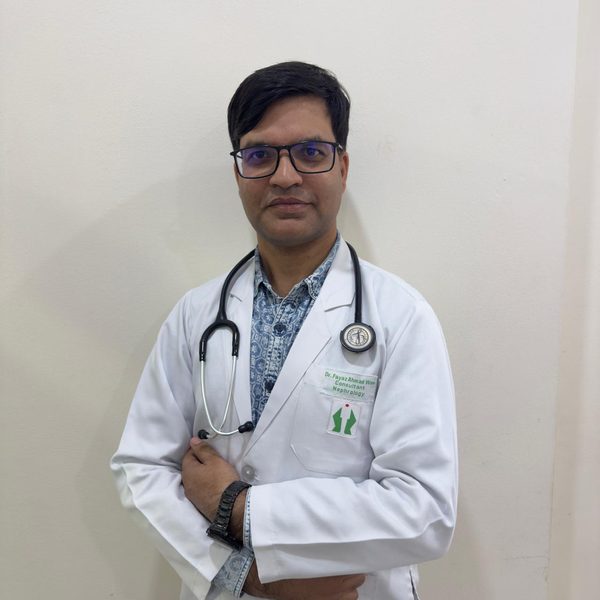
Consult with Dr. Fayaz Ahmad Wani
Senior Consultant Nephrologist & Kidney Transplant Specialist • OPD at Fortis Escorts Hospital (10am–4pm) & Primus Medicare (5:30pm–7pm)